
Redtail catfish
Description
Shortbody Red Tail Catfish
Pay £100 now, then spread the remaining balance over 2 monthly payments of £75.
New to us but interested in instalments? Get in touch – we’re happy to discuss personalised payment plans where possible.
Nationwide delivery available across the UK and Scotland – usually within a week!
Got questions? Call or text: 07738764941
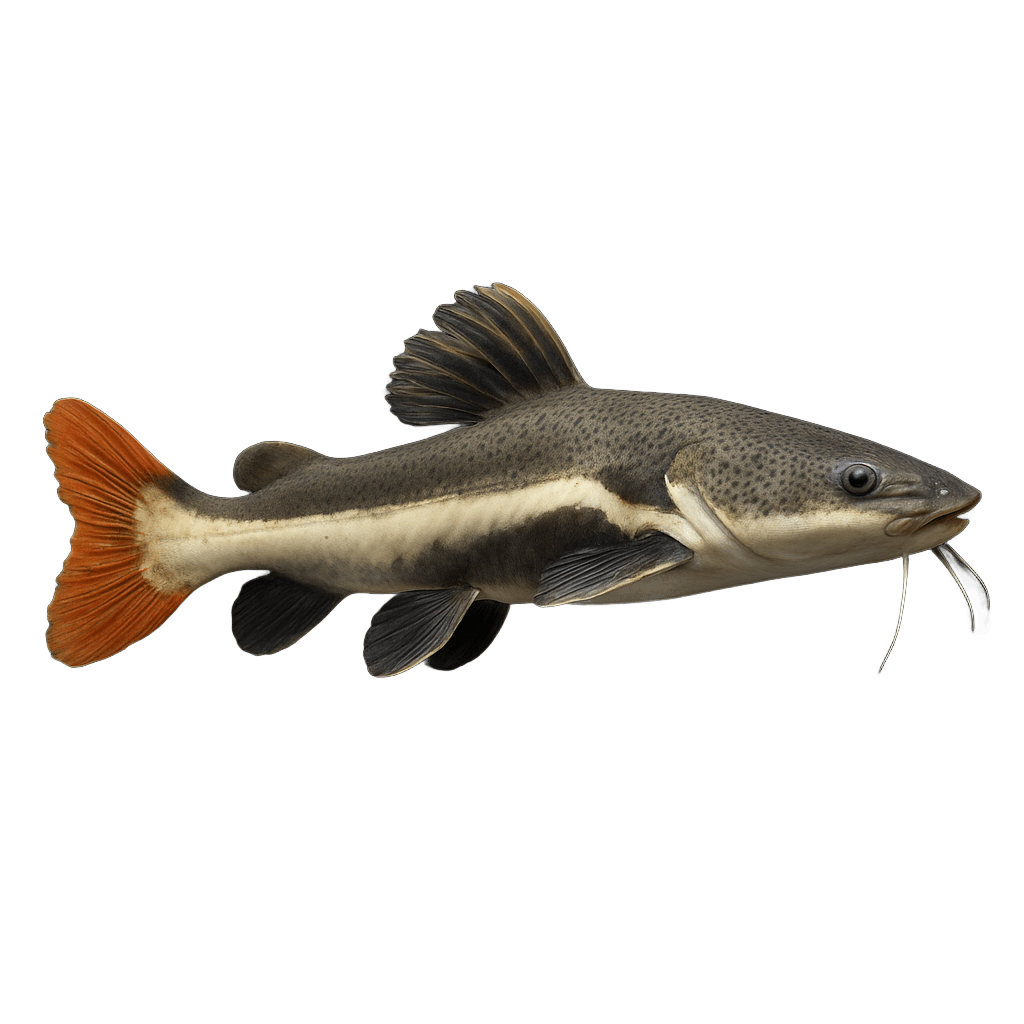
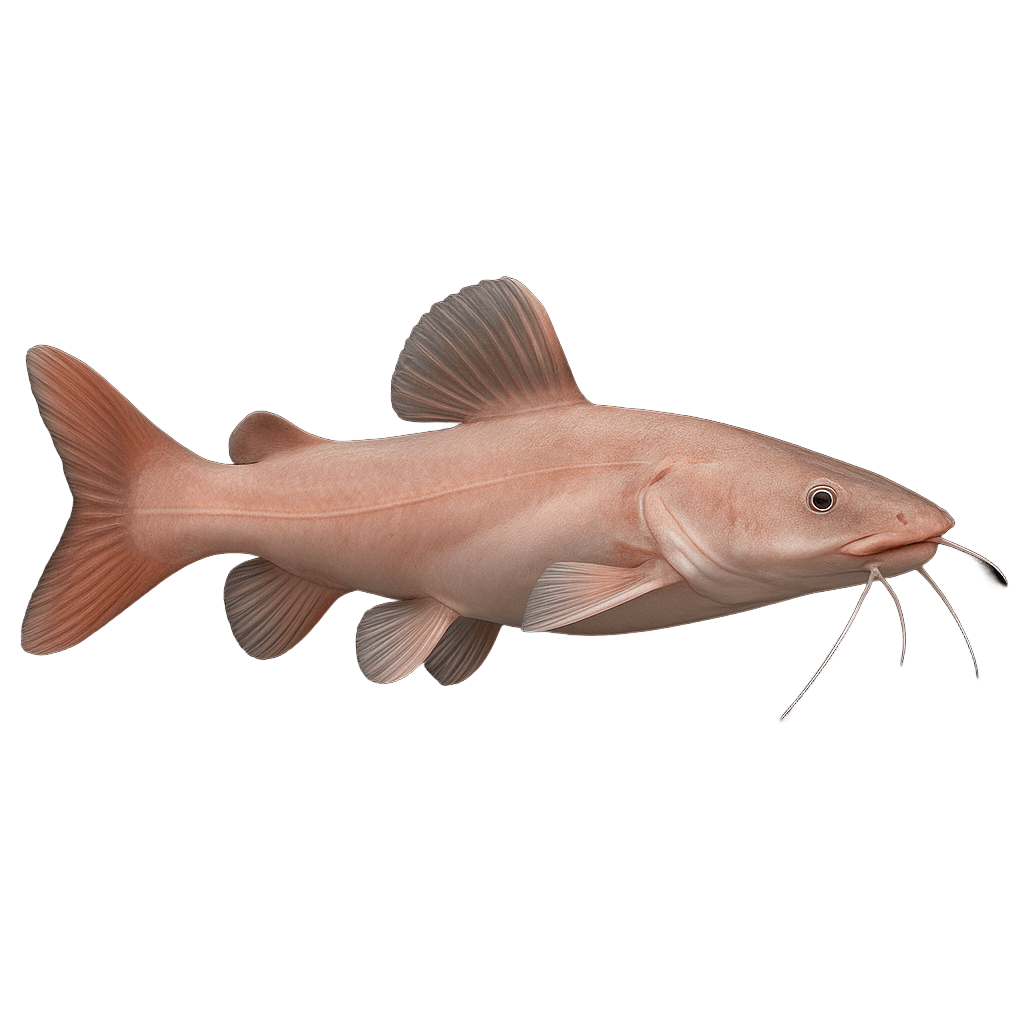 x1Uncommon
Phractocephalus hemioliopterus
Redtail catfish · Phantom
£9504 inchJan 25 · 11:55 AM- x1Uncommon
Phractocephalus hemioliopterus
Redtail catfish · Phantom
£4909 inchOct 19 · 9:43 AM - x1Uncommon
Phractocephalus hemioliopterus
Redtail catfish · Phantom
£6508 inchAug 29 · 11:00 AM 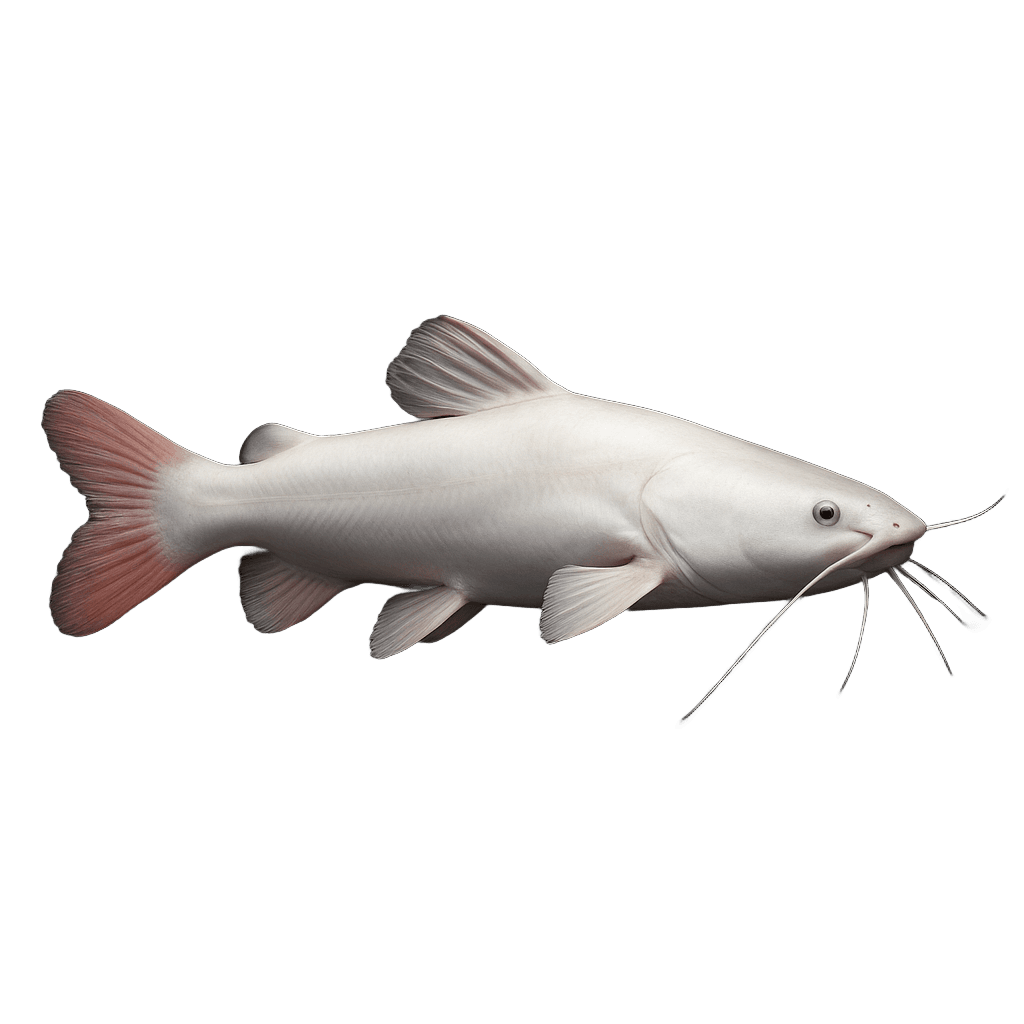 x5Uncommon
Phractocephalus hemioliopterus
Redtail catfish · Platinum
£6506 inchJun 9 · 10:54 AM- x1Uncommon
Phractocephalus hemioliopterus
Redtail catfish
£2505 inchApr 21 · 8:34 PM - x1Uncommon
Phractocephalus hemioliopterus
Redtail catfish
£2495 inchMar 18 · 9:43 AM
Redtail catfish (3)
Sales History by Region. Price trends and recent sales across different markets(prices in £)
1
3
0
0
Trade
Breeders & shops
Hobbyist
Private collectors
Confirmed
Marked as sold
Listing
Price listed, not sold
Members Looking for Redtail catfish
0 members interested across 0 countries
0
Interested
0
Countries
0
Avg Rating
No members found
No one has added this to their looking for list yet.
Overview
The Red Tail Catfish is a large, freshwater fish known for its striking appearance, featuring a dark gray body, white underside, and a vibrant red tail. Native to South America, it is a highly sought-after species in the aquarium trade but requires extensive care due to its massive size and rapid growth. It is best suited for advanced aquarists with large tanks or indoor ponds.
Origin
- Native to: Amazon Basin, Orinoco River, and other large river systems in South America.
- Habitat: Found in slow-moving rivers, lakes, and flooded areas with sandy or muddy substrates.
Feeding
- Diet: Carnivorous
- Preferred Foods: Fish fillets, shrimp, prawns, earthworms, mussels, and sinking carnivore pellets.
- Feeding Habits: Voracious eaters; should be fed 2–3 times per week to prevent obesity. Avoid feeder fish, as they can introduce diseases.
Tank Mates
- Best with: Large, robust fish that can tolerate their presence, such as Arowanas, Peacock Bass, Pacu, and Giant Gouramis.
- Avoid: Small fish and invertebrates, as they will be seen as food.
Aggression & Behavior
- Temperament: Generally peaceful but will eat anything that fits in its mouth.
- Territoriality: Can be aggressive toward similarly sized or smaller bottom-dwelling fish.
Experience Level
- Difficulty: Advanced
- Challenges: Requires an extremely large aquarium, powerful filtration, and careful monitoring of water quality.
Water Parameters
- Temperature: 72–79°F (22–26°C)
- pH: 6.0–7.5
- Hardness: 2–15 dGH
- Tank Size: Minimum 1,000 gallons for long-term care (juveniles can start in 200 gallons but outgrow it quickly).
Final Notes
Red Tail Catfish are often purchased as juveniles without considering their immense adult size, leading to frequent cases of rehoming. They require a dedicated and experienced aquarist with the ability to provide a massive tank or indoor pond. Proper care ensures they can live up to 20 years in captivity.