
Azul Blue Peacock Bass
Description
Azul Blue Peacock Bass
Delivery available across UK and Scotland
07738764941
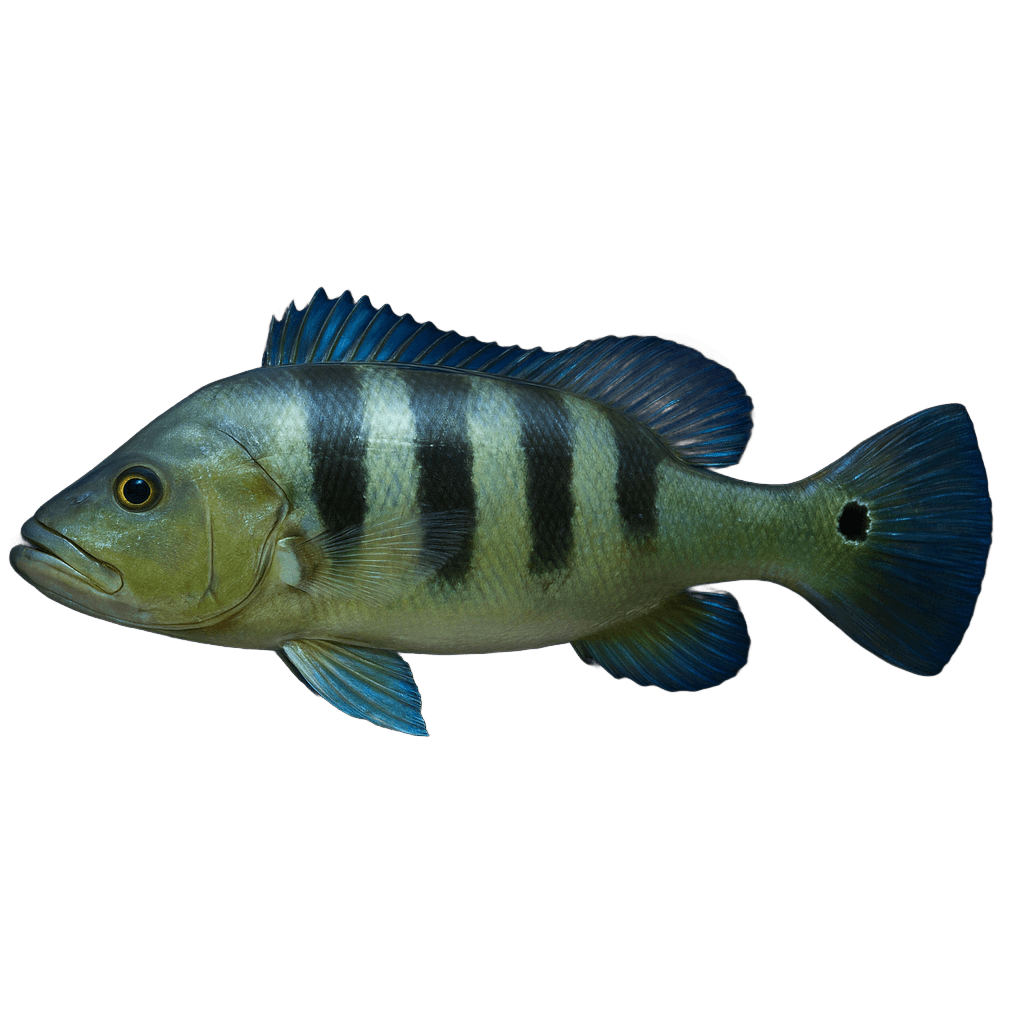
Azul Blue Peacock Bass (4)
Sales History by Region. Price trends and recent sales across different markets(prices in £)
1
4
0
0
Trade
Breeders & shops
Hobbyist
Private collectors
Confirmed
Marked as sold
Listing
Price listed, not sold
Members Looking for Azul Blue Peacock Bass
0 members interested across 0 countries
0
Interested
0
Countries
0
Avg Rating
No members found
No one has added this to their looking for list yet.
Azul Piquiti Peacock Bass
- Care Level: Intermediate
- Tank Size: 100 Gal (450 Ltr) min
- Temperament: Semi – Aggressive
- PH: 6.5 – 7.5
- Temperature: 22-28°C (76-82°F)
- Flow: Slow – Moderate
What We Like About This Animal:
- The blueish colouration and striking banding
- Excellent addition to any predator aquarium
- Impressive, but manageable size
- Active and feeding time is awesome
With their distinctive blueish coloration and striking banding as adults, the Azul or Piquiti Peacock Bass is among the most popular of the large predatory cichlids in the aquarium hobby. These fish are popular food and sport fish in their native range. Like all peacock bass, the Azul Peacock Bass requires very large aquariums and should only be kept by experienced hobbyists. This species, like all of its close relatives, are powerful predators and will eat any fish that they can fit in their large mouths. They are best kept in small groups with similarly sized cichlids although aggression and territoriality can become an issue as they reach maturity.
Diet: The Azul Peacock is a Predator and live fish eater, so feeder fish will be required. They will also typically accept frozen foods and pellets once trained.