Pearl Stingray
One place for everything Potamotrygon jabuti
For sale21
One place for everything Potamotrygon jabuti

21 Pearl Stingray currently for sale · from 11 sellers · averaging £517 · last listed today
Also known as: Albino · Pearl Het Freshwater Stingray · Pearl Freshwater Stingray · leucistic keys · albino pearls · Albino Golden base · albino female stingray · pearl Het · Albino het · Golden Base Albino x Albino Pearl · Albino Pearl x Golden Base Albino · Female albino pups · male albino pup
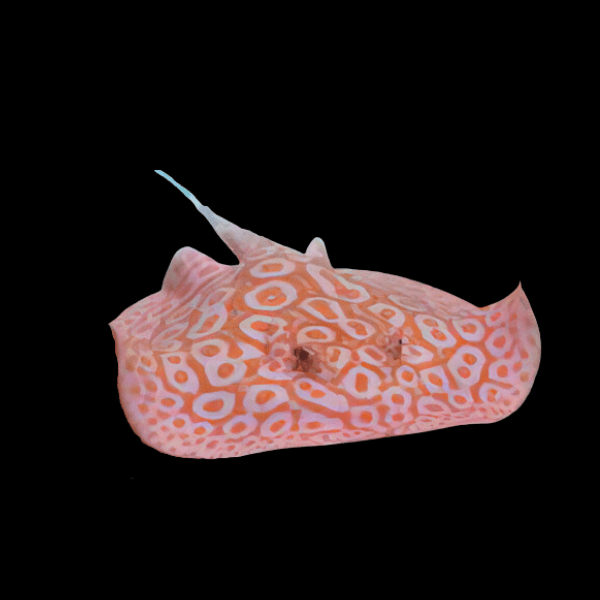
Overview: The Freshwater Albino Pearl Stingray, scientifically known as Potamotrygon Jabuti, is a rare and captivating species cherished by aquarists worldwide. Known for its unique coloration and elegant swimming style, this albino variant adds a touch of grace to any freshwater aquarium. It requires a spacious tank to accommodate its size and active swimming habits.
Origin: Native to the river basins of South America, particularly in the Amazon River system, the Potamotrygon Jabuti thrives in freshwater environments. Their natural habitat consists of sandy or muddy bottoms where they blend in seamlessly, thanks to their distinctive patterns and coloration.
Feeding: A carnivorous species, the Freshwater Albino Pearl Stingray prefers a diet rich in meaty foods. This includes live and frozen foods such as bloodworms, brine shrimp, and small fish. A varied diet is crucial for maintaining their health and vibrant coloration.
Tank Mates: When selecting tank mates, it’s essential to choose peaceful, similarly sized fish that inhabit different water layers. Avoid small fish that could be mistaken for prey. Compatible tank mates include larger tetras, peaceful cichlids, and catfish. Always monitor interactions to ensure a harmonious aquarium.
Aggression: The Freshwater Albino Pearl Stingray is generally peaceful but can exhibit territorial behavior, especially towards its own kind or similar bottom-dwelling species. It’s recommended to maintain a single specimen per tank or provide ample space for territories.
Experience Level: Caring for a Freshwater Albino Pearl Stingray requires an intermediate to advanced level of aquarium experience. Their specific dietary, environmental, and health needs demand dedicated attention and knowledge from the aquarist.
Water Parameters:
A well-filtered aquarium with a stable water condition, ample hiding spots, and a soft sandy bottom mimics their natural habitat, promoting health and wellbeing. Regular water changes and monitoring of water parameters are essential to prevent diseases and stress.